The DIY Oil Change Tool Kit: What You Actually Need
The seven tools that cover every driveway oil change, what to skip, and a budget and a name-brand option for each.
Reviewed by Michael Koster · Updated October 2026
Start with what the job needs, not what the aisle sells
An oil change is four steps: lift the car, drain the pan, swap the filter, refill. Each step needs one or two tools and nothing else.
Everything below is bought once. After the first change, the only recurring cost is oil, a filter and a crush washer, which is why DIY pays for the tools inside a year.
Look up your vehicle on this site first. The page lists the drain-plug socket size, the filter type and the oil capacity, which decides the size of three of the tools on this list.
1. Getting the car up safely
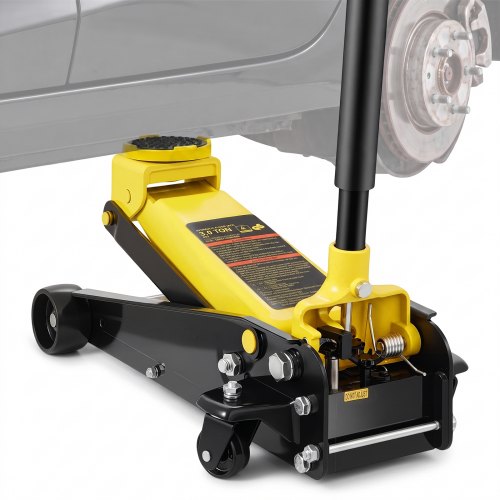
You need a few inches of clearance to reach the drain plug and filter. Two routes: a floor jack plus a pair of jack stands, or a set of ramps.
Ramps are quicker and simpler for a straight oil change. A jack and stands cost a bit more but also handle tire rotations and brake jobs.
Either way, add rubber wheel chocks. They are the cheapest item in the kit and the one that keeps the car from rolling off whatever is holding it.



2. Draining without a mess
A drain pan is the difference between a clean driveway and a permanent stain. Get one with more capacity than your engine holds, and if you can, a sealed pan with a spout so the used oil goes straight to the parts store for recycling.
The drain plug needs a socket in the right size. Most cars use 13 to 19 mm; a 3/8-inch drive metric socket set covers all of them and most of the rest of the car.


3. The filter
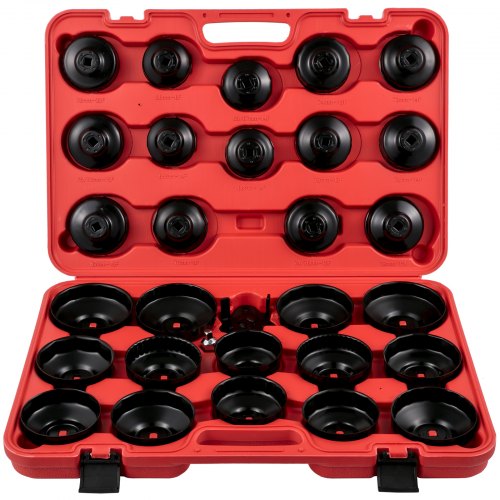
Spin-on filters come off with a claw or strap wrench. Cartridge filters, common on newer engines, sit in a housing that takes an exact-size cap wrench. Check your vehicle page to see which you have.
A cap-socket set is the safe buy if you own more than one car; a single Lisle claw wrench is the safe buy if everything in the driveway uses spin-on filters.

4. Putting it back together to spec
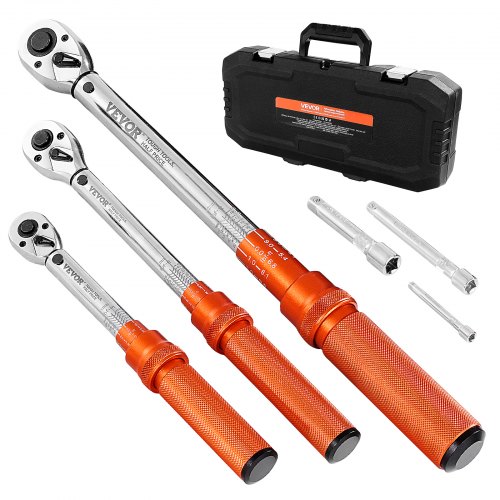
The drain plug and the filter housing both have a torque spec, and both are easy to strip. A 3/8-inch torque wrench in the 10 to 80 ft-lb range is the tool that keeps you out of helicoil territory.
If you only buy one torque wrench, make it the 3/8. A 1/2-inch wrench for lug nuts is the next purchase when you start rotating tires.
5. The small stuff
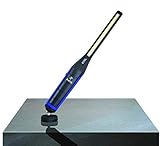
A funnel with a long spout, a box of nitrile gloves, a roll of shop towels and a light you can aim. None of it is expensive and all of it gets used on every job.
Skip the drain-plug magnet, the filter-cutter and the oil-analysis kit until you have a reason. They are real tools; they are just not first-oil-change tools.



Budget or name brand?
Where safety is involved (jack stands, chocks), buy a rated product from a brand you can look up. Where it is a lever or a pan, the budget option usually does the same job.
We list a Vevor option and an Amazon option on every tool page. Vevor is consistently cheaper on heavy steel items like jacks, ramps and creepers; Amazon wins on brand-name precision tools like torque wrenches and anything with a calibration certificate.
- Floor Jack vs. Ramps vs. Jack Stands: How to Lift Your Car Safely
- Do You Need a Torque Wrench for an Oil Change?
- Oil Extractor vs. Drain Plug: Is Topside Oil Extraction Any Good?